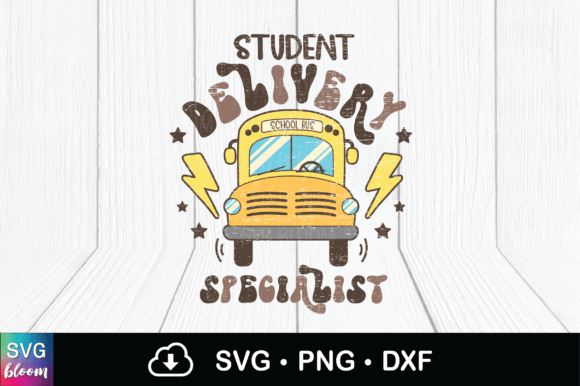
Student Delivery Specialist Sublimation: Everything You Need to Know About SVG, DXF, and PNG Files
Understanding Student Delivery Specialist Sublimation
Sublimation is a popular method used in the world of design and printing, especially among students, educators, and creative professionals. When you hear the term Student Delivery Specialist Sublimation, it refers to the process of delivering high-quality digital files that are ready for use in sublimation printing. These files are designed specifically for students or those who want to create custom products without needing advanced technical skills.
This article will guide you through the different file formats available—SVG, DXF, and PNG—and explain how they can be used with various software and devices like Cricut Explore, Silhouette Designer Edition, Adobe Suite, Inkscape, Corel Draw, and more. We’ll also discuss the possible uses of these files and the important terms and conditions that come with them.
The File Formats You Will Receive
When you purchase or receive a Student Delivery Specialist Sublimation package, you get three primary file formats: SVG, DXF, and PNG. Each of these has its own unique purpose and compatibility with different tools and software. Let’s break down each one:
SVG File – For Designers and Creatives
SVG stands for Scalable Vector Graphics. This format is perfect for anyone working with vector-based design software such as Adobe Illustrator, Inkscape, or CorelDraw. SVG files are resolution-independent, which means they can be scaled up or down without losing quality. This makes them ideal for projects like t-shirts, mugs, and other items that require precise and clear designs.
If you're using a Cricut Explore or Silhouette Designer Edition, SVG files are highly compatible and allow for easy editing and customization. Whether you're a student creating a project for class or a small business owner looking to offer custom products, SVG files give you the flexibility you need to bring your ideas to life.
DXF File – For Silhouette Users
DXF stands for Drawing Exchange Format. It's a widely used file format for CAD (Computer-Aided Design) software and is particularly useful for users of the Silhouette cutting machine. The good news is that you can open DXF files with the free version of Silhouette Studio, making it an accessible option for many users.
DXF files are also great for intricate designs that require precision. They are commonly used in paper crafts, invitations, scrapbooking, and even vinyl cutting. If you're new to using Silhouette machines, starting with DXF files can be a great way to learn how to work with vector graphics without the need for advanced software.
PNG File – For High-Resolution Printing
PNG stands for Portable Network Graphics. This format is known for its ability to support transparency and high-resolution images. The PNG files provided in Student Delivery Specialist Sublimation packages are typically 300dpi, which is ideal for sublimation printing. The transparent background allows for seamless integration with any surface, whether it's fabric, plastic, or metal.
These PNG files are perfect for those who want to print their designs directly onto physical products. From t-shirts and mugs to photos and cards, PNG files ensure that your design looks sharp and professional. They’re also great for digital use, such as social media posts or website graphics.
How Can You Use These Files?
Now that we've covered the different file formats, let's look at the many ways you can use them. These files are not just for personal use—they can also be used for small business purposes. However, there are some important rules and restrictions to keep in mind.
- Personal Use: You can create physical products for your personal use, such as custom t-shirts, cards, and decorations for your home or events.
- Small Business Use: If you run a small business, you can use these files to create custom products for sale. However, you must ensure that you are not reselling the digital files themselves.
- Restrictions: You cannot resell the files as clipart or digital files. Additionally, you cannot give them away freely or use them in a Print-on-Demand (POD) business model.
These restrictions are in place to protect the rights of the original creators and ensure that the files are used responsibly and ethically. Always make sure you understand the terms and conditions before using any digital assets for commercial purposes.
Why Choose Student Delivery Specialist Sublimation?
Student Delivery Specialist Sublimation is a great choice for students, educators, and creative individuals who want to explore the world of design and printing. Here are a few reasons why this service stands out:
- Easy to Use: The files are pre-designed and ready to use, so you don't need advanced technical skills to get started.
- High Quality: All files are created in high resolution, ensuring that your final product looks professional and polished.
- Compatibility: With support for multiple software and devices, you have the freedom to choose the tools that work best for you.
- Creative Freedom: Whether you're designing for school projects, personal use, or small business, these files provide endless possibilities for creativity.
By choosing Student Delivery Specialist Sublimation, you're investing in a resource that can help you grow your skills, express your creativity, and even start your own small business.
Common Misconceptions About Digital Files and Sublimation
There are several misconceptions about digital files and sublimation that can lead to confusion. Let’s clarify a few of them:
Misconception 1: “I can use these files for anything I want.”
Reality: While the files can be used for personal and small business purposes, they cannot be resold or used in a POD business model. Always check the terms and conditions before using the files.
Misconception 2: “All file formats are the same.”
Reality: SVG, DXF, and PNG files serve different purposes. Understanding the differences between them can help you choose the right format for your project.
Misconception 3: “I need advanced software to use these files.”
Reality: Many of the files are compatible with free software like Silhouette Studio and Inkscape, making them accessible to beginners and experienced users alike.
Getting Started with Your New Files
If you're new to sublimation or working with digital design files, here are a few tips to help you get started:
- Choose the Right Software: Depending on the file type, choose a software that supports it. For example, use Silhouette Studio for DXF files or Adobe Illustrator for SVG files.
- Test Your Designs: Before printing on a large scale, test your designs on a small piece of fabric or material to ensure they look good and fit properly.
- Explore Tutorials: There are many online tutorials and guides that can help you learn how to use your new files effectively.
- Join Communities: Join online forums or social media groups where you can share your work, ask questions, and learn from others in the sublimation community.
With a little practice and patience, you'll soon be creating beautiful and professional-looking products using your new digital files.
Final Thoughts
Student Delivery Specialist Sublimation offers a valuable resource for anyone interested in design, printing, or creative projects. Whether you're a student, educator, or small business owner, these files provide the tools you need to bring your ideas to life. By understanding the different file formats and their uses, you can unlock a world of creative possibilities.
Remember to always follow the terms and conditions associated with the files, and don’t hesitate to reach out for help if you need it. As you continue to explore the world of sublimation, you'll find that the journey is as rewarding as the final product.
If you found this article helpful, please take a moment to share your feedback. Your support helps us continue providing quality content and resources for all our readers.